Publications
My publications
Under construction 🔨
2024
-
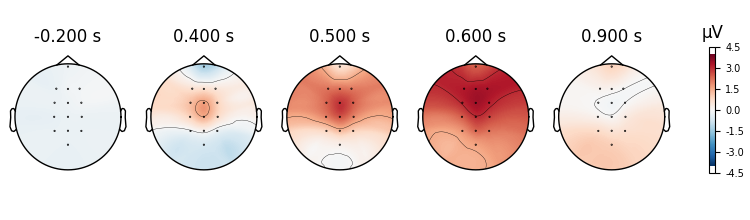 EEG Markers of Acceleration Perception in Virtual RealityGaël van der Lee, Francois Cabestaing, Anatole Lécuyer, and 2 more authorsIn Graz Brain-Computer Interface Conference, Sep 2024
This study investigates neural patterns of acceleration in virtual reality (VR) using electroencephalography (EEG). Participants experienced accelerating white spheres in VR while EEG signals were recorded. Significant EEG differences were found at the fronto-central region between acceleration and slow speed, regardless of direction, and at the central region depending on the acceleration direction. Topographic responses also show differences in spacial patterns between the conditions. These findings give insights into the perception of acceleration in the brain and show potential for passive BCI applications.
-
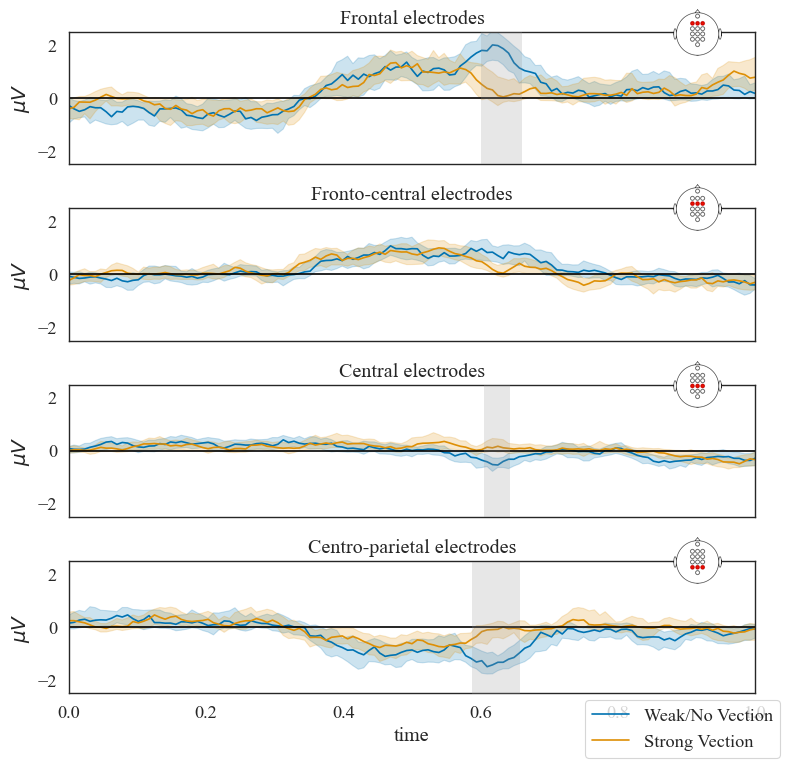 Towards the Automatic Detection of Vection in Virtual Reality Using EEGGaël Van Lee, Anatole Lécuyer, Maxence Naud, and 3 more authorsDec 2024
Vection, the visual illusion of self-motion, provides a strong marker of the VR user experience and plays an important role in both presence and cybersickness. Traditional measurements have been conducted using questionnaires, which exhibit inherent limitations due to their subjective nature and preventing real-time adjustments. Detecting vection in real time would allow VR systems to adapt to users’ needs, improving comfort and minimizing negative effects like motion sickness. This paper investigates the presence of vection markers in electroencephalogram (EEG) brain signals using evoked potentials (brain responses to external stimulations). We designed a VR experiment that induces vection using two conditions: (1) forward acceleration or (2) backward acceleration. We recorded both electroencephalographic (EEG) signals and gathered subjective reports on thirty (30) participants. We found an evoked potential of vection characterized by a positive peak around 600 ms (P600) after stimulus onset in the parietal region and a simultaneous negative peak in the frontal region. Our results also found participant variability in sensitivity to vection and cybersickness and EEG markers of acceleration across subjects. This result is promising for potential detection of vection using EEG and paves the way for future studies towards a better understanding of vection. It also provides insights into the functional role of the visual system and its integration with the vestibular system during motion-perception. It has the potential to help enhance VR user experience by qualifying users’ perceived vection and adapting the VR environments accordingly.


2023
-
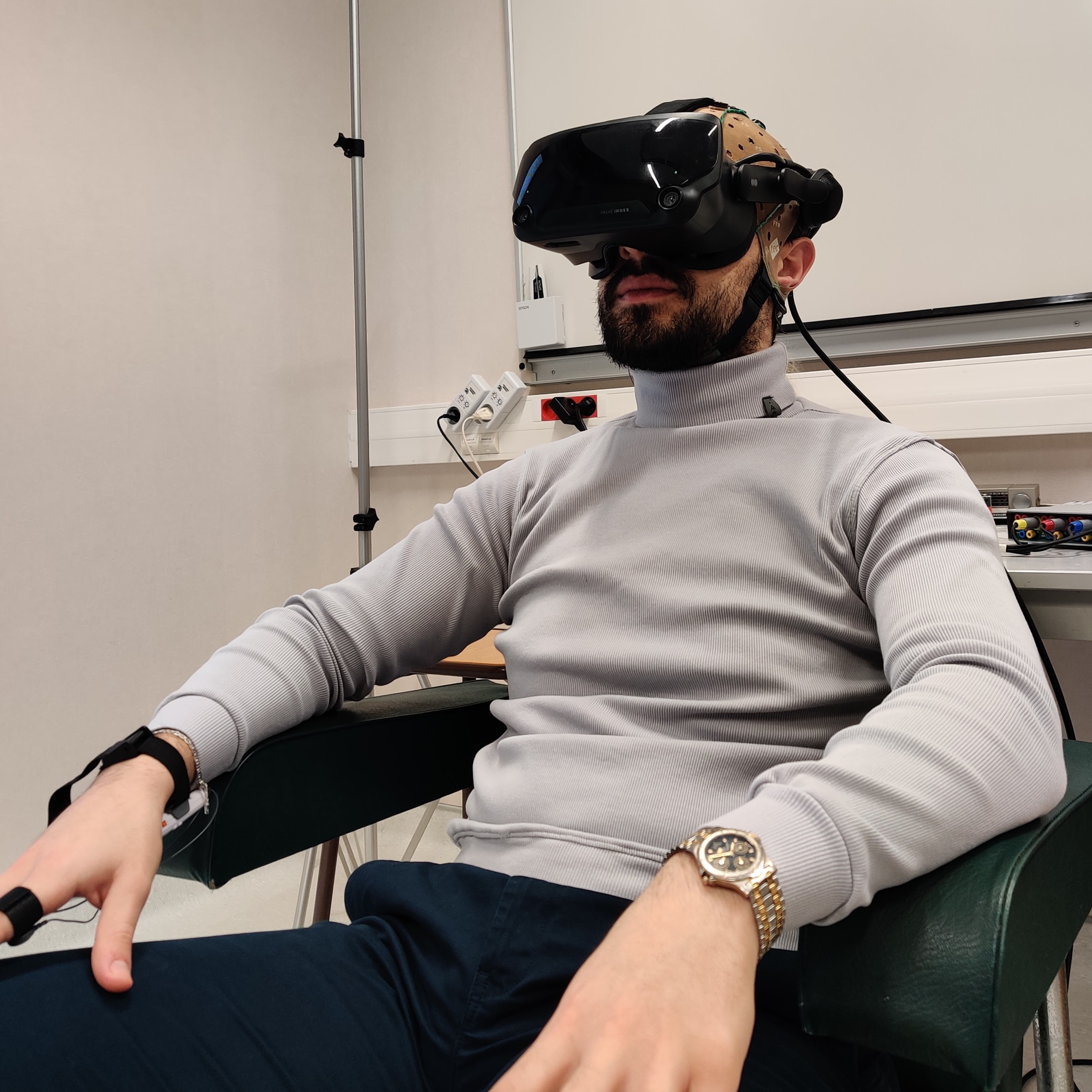 Enhancing the Virtual Reality Experience Using Brain-Computer InterfacesGaël van der Lee, François Cabestaing, and Hakim Si-MohammedMay 2023
Genesis project GENESIS (LeveraGing nEuromarkers for Next-gEn immerSIve Systems) is a European research project focused on improving virtual reality experiences using brain-computer interface methods, particularly EEG.
